Can Misted Double Glazing Be Fixed Without Replacing the Whole Unit?
@thesecurehome
November 16, 2026 · 6 min read
Understanding misted double glazing
Double glazing works by trapping a layer of air or gas between two panes of glass. This sealed space provides insulation and helps keep your home warm and quiet. When the seal fails, moisture can enter that gap. The result is the familiar misty or foggy appearance that can make windows look cloudy and reduce visibility through them.
This condition is often called a failed unit or a misted unit. Many homeowners notice it first on a cold morning when the window looks wet or fogged from the inside. Unlike condensation on the inside face of the glass, which you can wipe away, the mist is trapped between the panes. It will not clear by cleaning the glass surface.
Can the mist be cleared without replacement?
The short answer is that clearing mist inside a sealed double-glazed unit is very rarely possible without replacing the whole sealed unit. The mist forms because the perimeter seal has broken, allowing moist air in and letting the insulating gas out. Once moisture is trapped between the panes, it will keep condensing and evaporating as temperatures change. No amount of cleaning, heating, or ventilation on the room side will remove it.
Some people consider drilling a small hole in the glass to let the moisture escape. This is not a reliable fix. The hole lets moisture out temporarily, but it also lets more moist air in. The unit will mist again, often within weeks. Drilling also weakens the glass and can create a safety hazard. For these reasons, a drilled hole is not a real solution.

Another approach people try is injecting a drying agent or desiccant into the gap. In theory this absorbs the moisture. In practice, getting the desiccant into the narrow space evenly and without creating new problems is very difficult. The seal is already broken, so even if you remove the current moisture, the unit will likely fail again. The most dependable path is a misted unit replacement: removing the old sealed unit and fitting a new one.
When replacement is the right call
A misted unit has lost its thermal efficiency. The gas that once insulated the window has leaked out, replaced by air that carries moisture. This means the window no longer insulates as it should. Your heating system has to work harder, and your energy bills may rise. The visual problem is only part of the concern; the performance of the window is compromised too.
If only one pane in a multi-pane window is misted, you might think you can replace just that one unit. In many cases you can, provided the frame and hinges are in good condition. A glazier can measure the existing sealed unit and order a replacement that fits the same frame. This avoids replacing the entire window frame and is usually much cheaper than a full window replacement.
Before deciding, check whether the frame itself is sound. If the timber around the glass is rotting, the frame may need attention first. Similarly, if the window handle or hinges are stiff or broken, those can be repaired separately. A misted unit replacement is about the glass and its seal, not the hardware around it.
What about temporary fixes?
If you cannot replace the unit straight away, you can make the window less unsightly. Cleaning the room-side glass thoroughly helps. You can also improve ventilation in the room to reduce overall humidity. This will not clear the trapped moisture, but it can slow further damage to the frame. Some homeowners fit temporary boarding over a badly fogged window if the view is completely obscured, but that is a short-term measure.
For a window that is broken as well as misted, the situation is different. Broken glass needs immediate attention for safety and security. In those cases you need secure repairs after broken glass, which usually means replacing the whole sealed unit or, if the frame allows, just the broken pane. A misted unit that is also cracked cannot be repaired; it must be replaced.

How mist forms and why it matters
Double-glazed units are made with a spacer bar around the edge, filled with a desiccant that absorbs any moisture left inside during manufacture. The edge seal keeps that desiccant dry and the gas inside. Over time, exposure to sun, wind, and temperature changes can weaken the seal. Once the seal fails, the desiccant becomes saturated and can no longer absorb moisture. Moisture then condenses on the cooler inner surface of the glass, creating the mist.
The rate of failure depends on the quality of the original unit, how well it was installed, and the local climate. Older units, especially those made before better sealants were developed, are more prone to failure. There is no way to reverse the chemical changes that happen once the seal breaks. That is why replacement is the standard solution across the glazing industry.
Can a glazier help without replacing the whole window?
A qualified glazier can assess the window and tell you whether the sealed unit can be replaced on its own. If the frame is in good shape, they can order a new unit to match the existing dimensions and glass type. Toughened glass, for example, may be required for certain windows, and the glazier can ensure the replacement meets safety standards. The frame stays, the hardware stays, and only the sealed unit is swapped. This is still a replacement of the misted unit, but it is less disruptive than replacing the entire window.
If the frame is damaged, or if the window is a non-standard size, the glazier can advise on options. In some cases, a complete new window may be the only practical route. The key is to get a professional opinion before attempting any DIY fix that could make the problem worse.
Preventing mist in new units
When you replace a misted unit, you have a chance to upgrade to a better sealed unit. Modern units use improved sealants and spacer bars that last longer. Some have warm-edge spacers that reduce heat loss at the edge of the glass. Choosing a reputable supplier and having the unit installed correctly gives the best chance of avoiding a repeat problem.
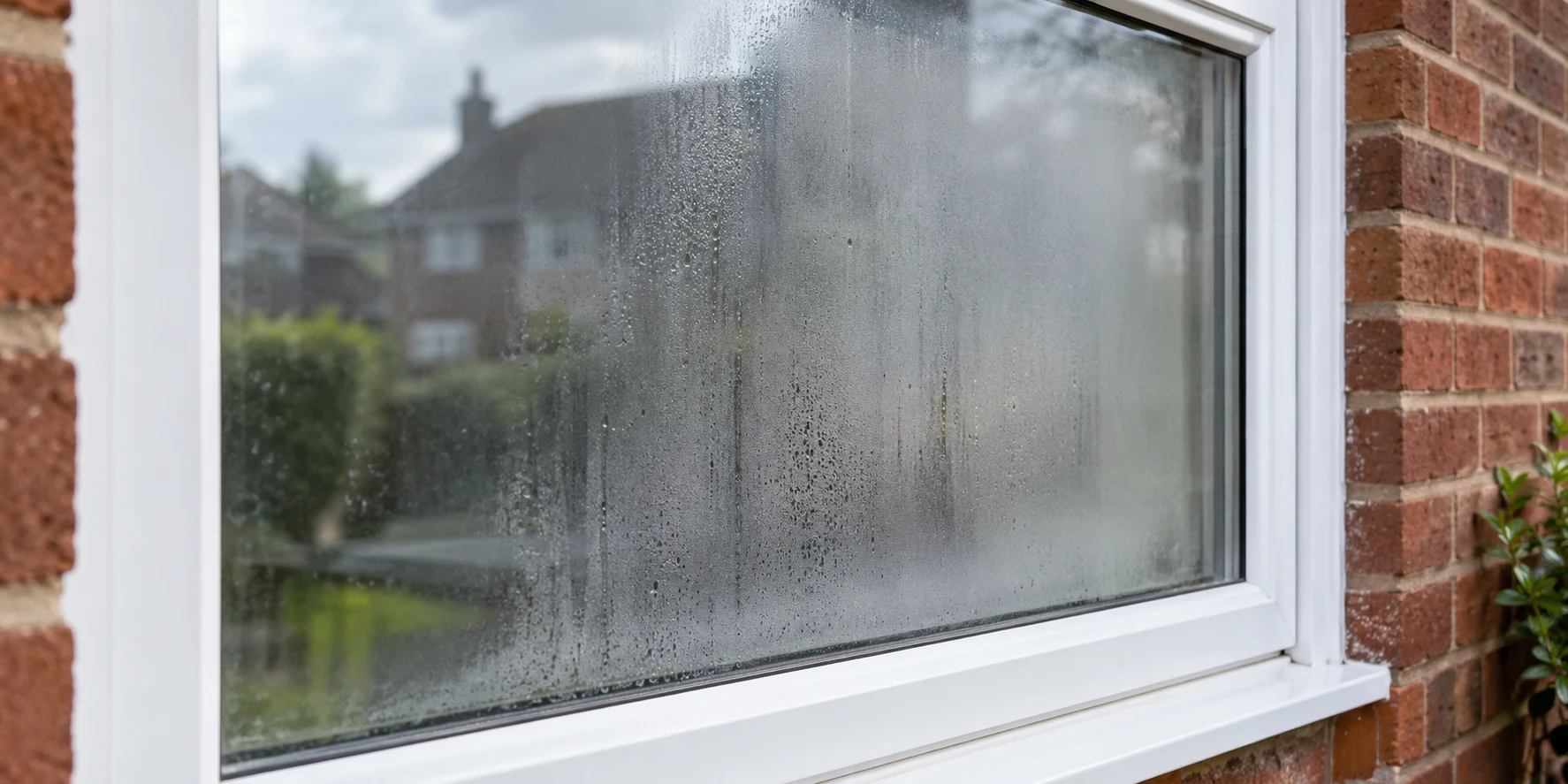
Regular maintenance also helps. Cleaning the frame and checking the seals around the edge of the glass can catch early signs of failure. If you notice a slight haze forming, it may still be possible to act before the mist becomes dense. Once the seal is fully broken, however, replacement is the only reliable fix.
Final thoughts
Misted double glazing is a sign that the sealed unit has reached the end of its life. No reliable method exists to clear the mist without replacing the unit. Attempting a DIY fix often leads to wasted time and money, and can even create new problems. A misted unit replacement is the straightforward, long-term answer. For windows that are also broken, you need secure repairs after broken glass to restore both safety and insulation. In either case, a professional glazier can provide a solution that fits your window and your budget.